
Pittsburgh Vehicle Wraps
VIEW GALLERYLooking for a quick, easy, and cost-effective way to increase your business visibility?
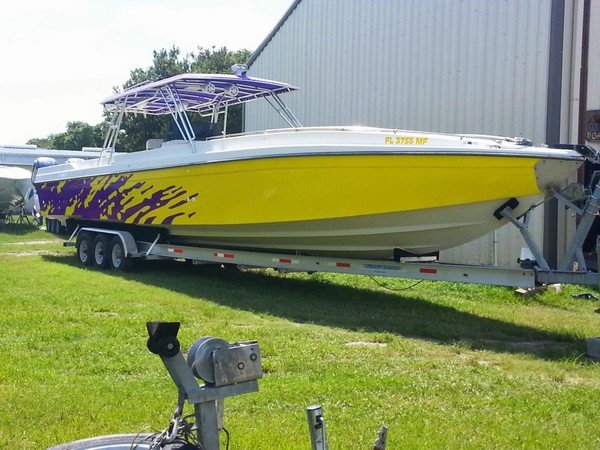
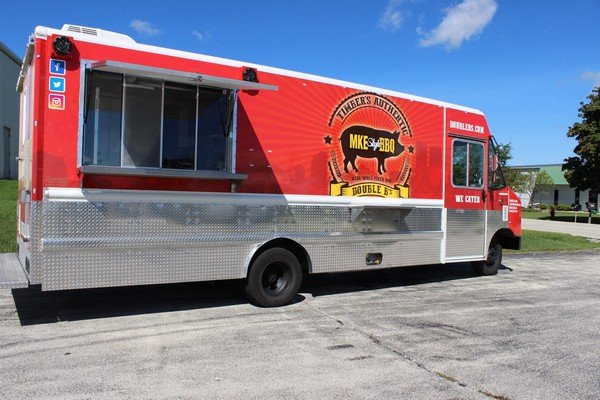
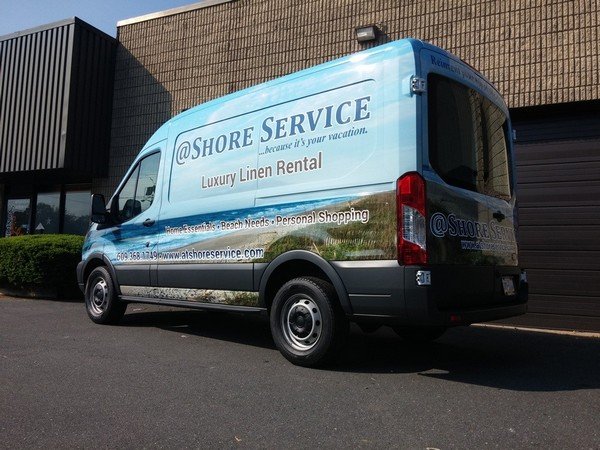
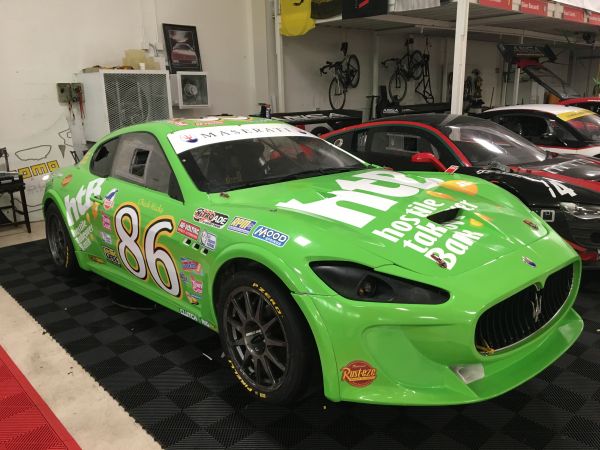
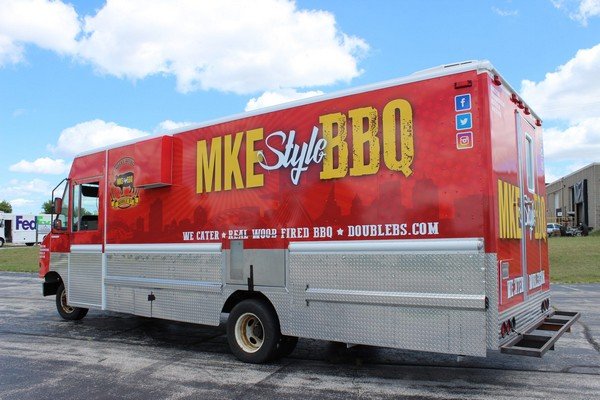
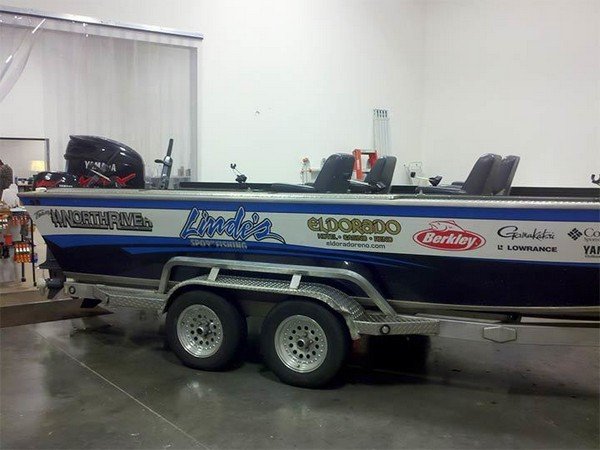
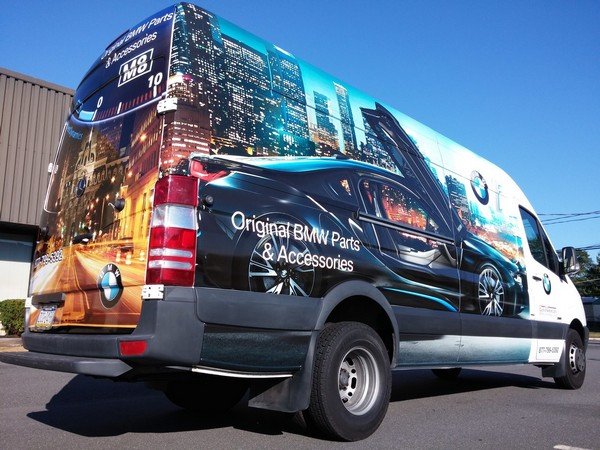
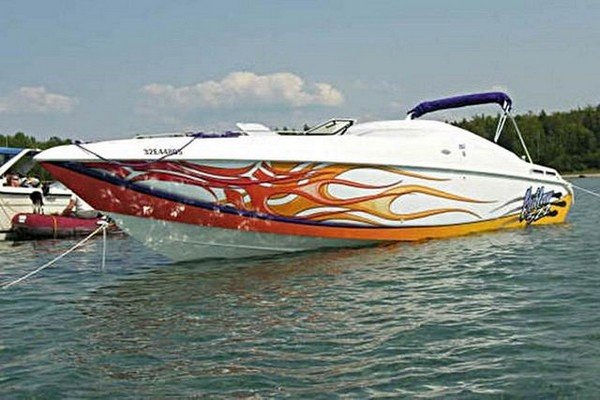
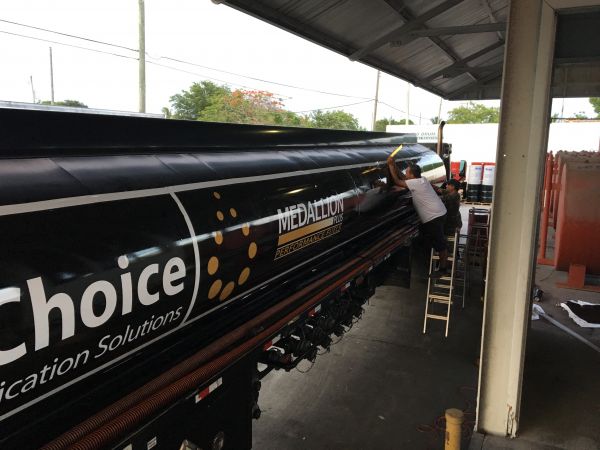
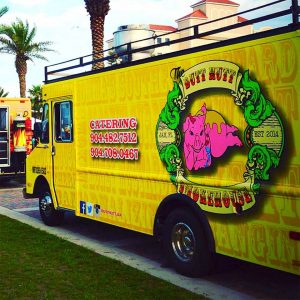 Vehicle wraps could very well be the solution you’ve been looking for. At Pittsburgh Sign Company, we create Pittsburgh vehicle graphics and vinyl wraps for various vehicles. From trucks t
o boats, no matter how large or small your business is, auto wraps can work for you.
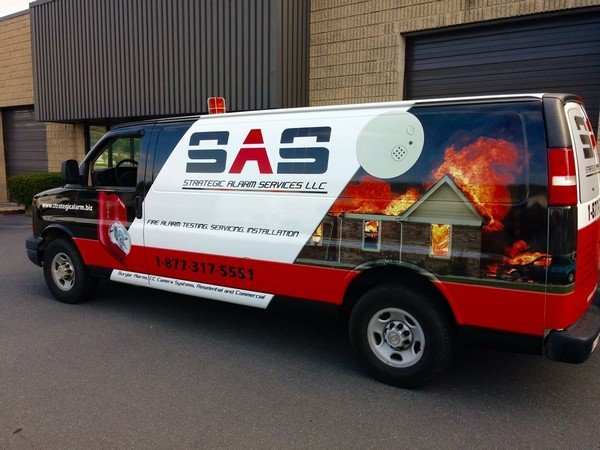
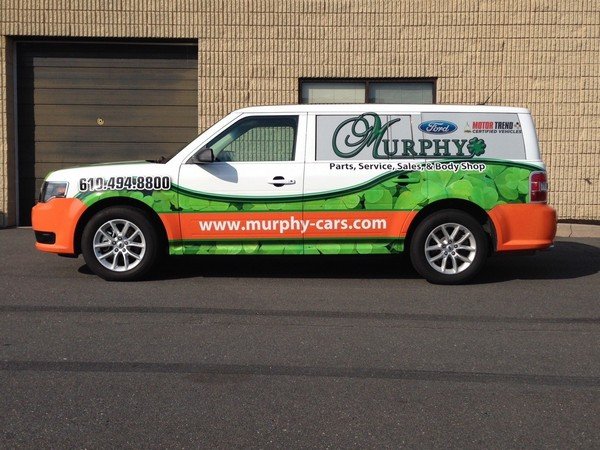
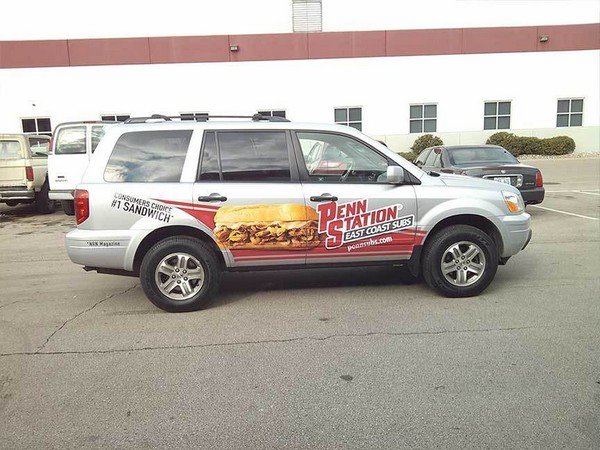
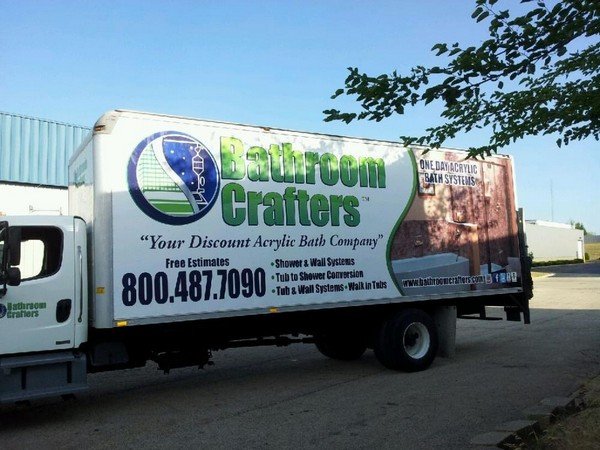
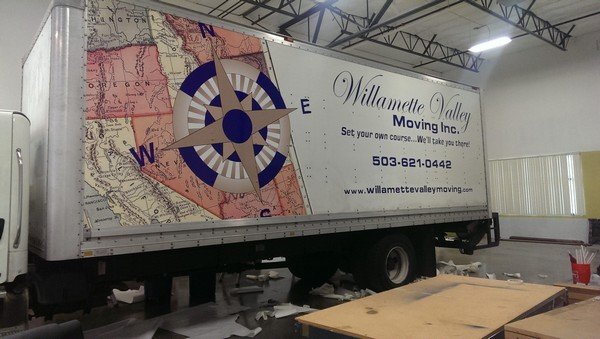
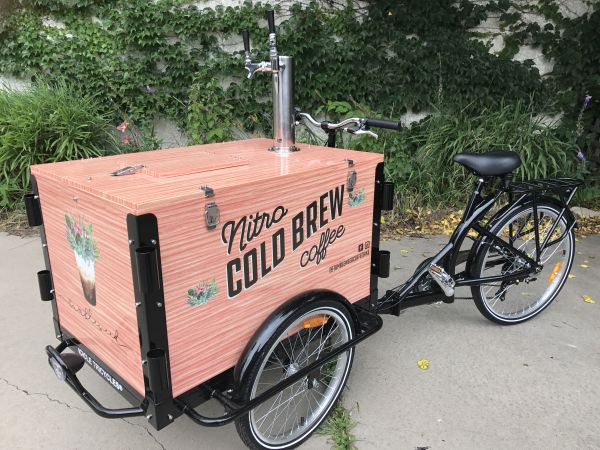
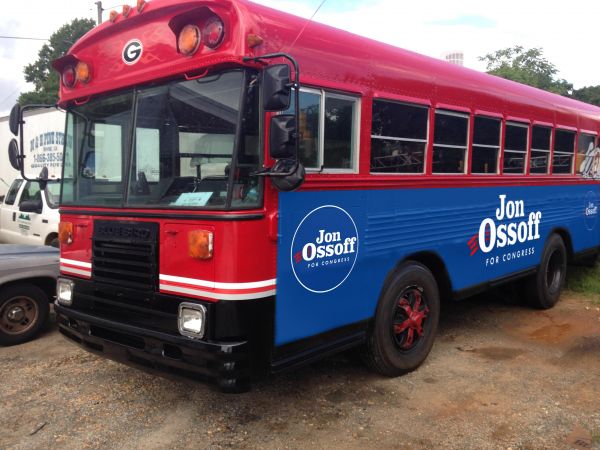
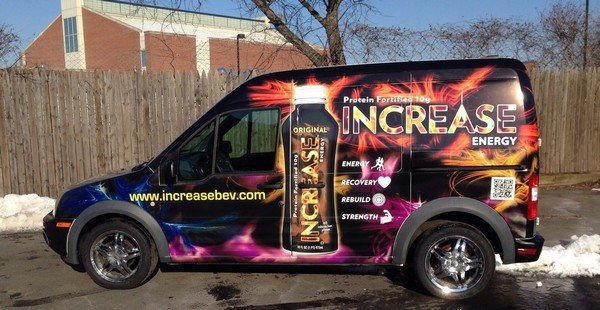
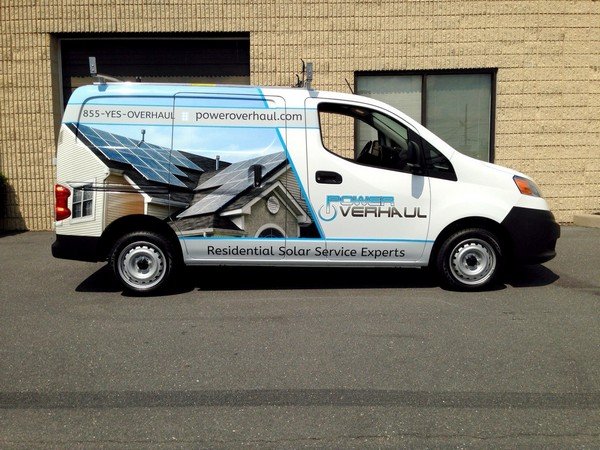
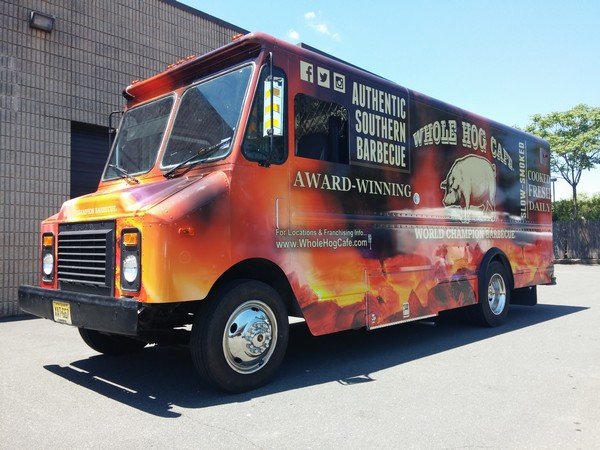
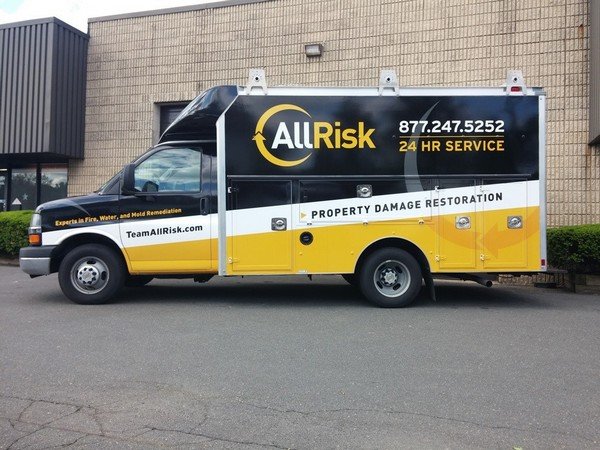
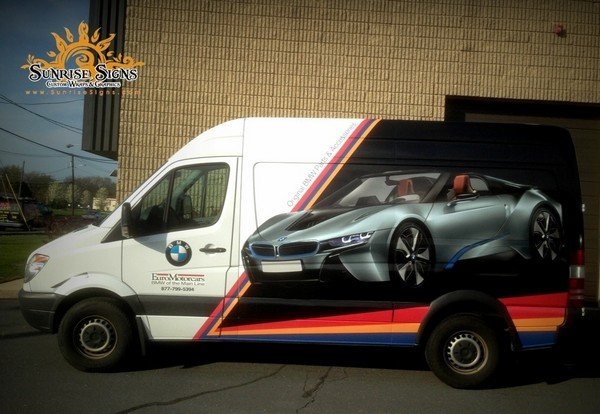
Advertising space is becoming increasingly limited. But any business that is out and about can benefit from auto wraps. Advertise your business wherever you go with eye-catching vehicle wrapping. By making your usual calls, you can increase your brand awareness ten-fold.
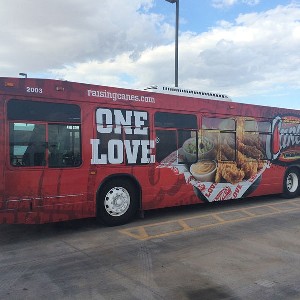
It’s an effective method of advertising that is genius in its simplicity. Vehicle wraps benefit a wide range of different businesses, for example;
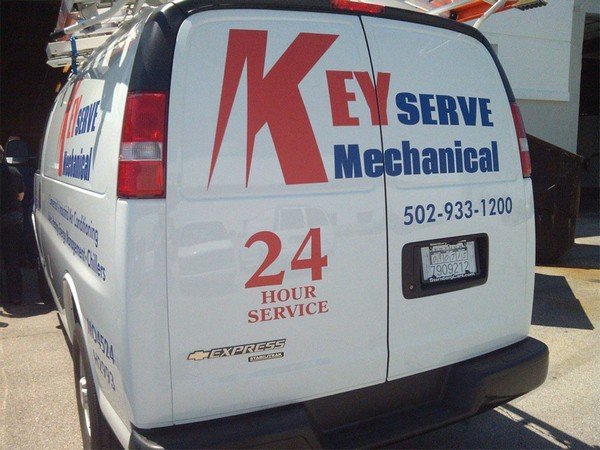
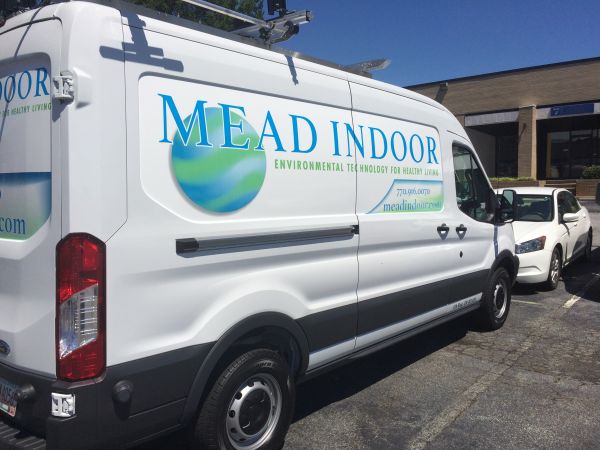
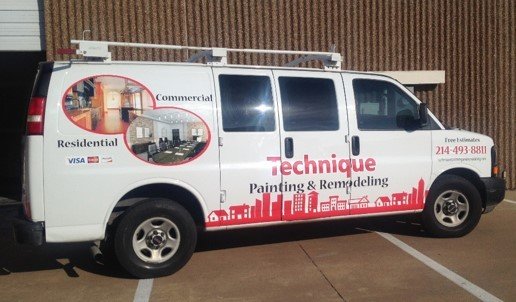
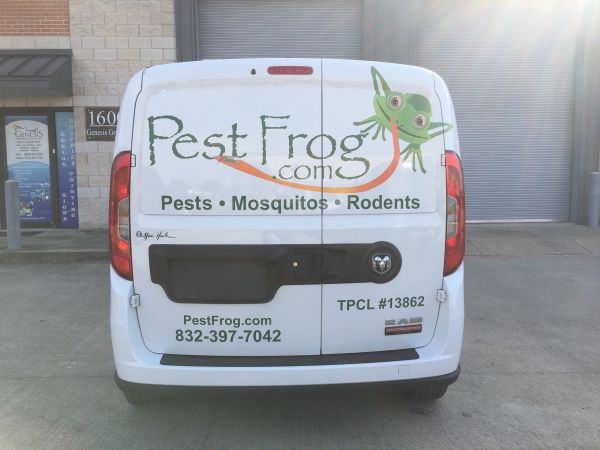
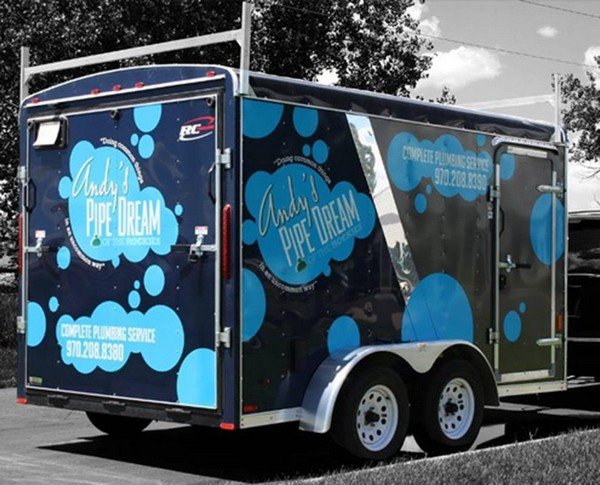
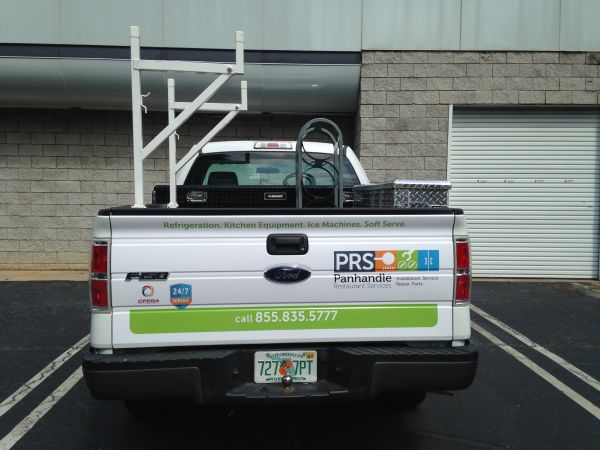
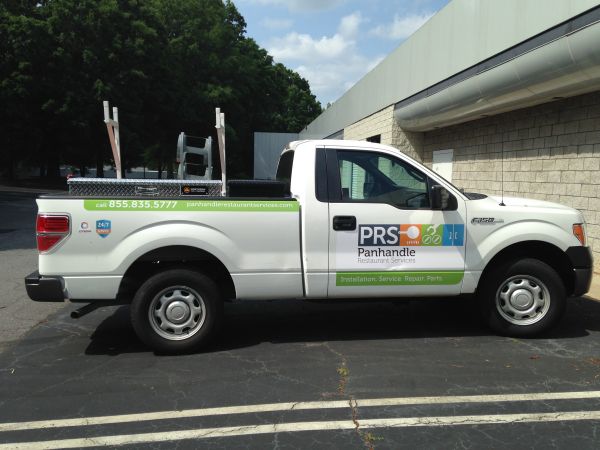
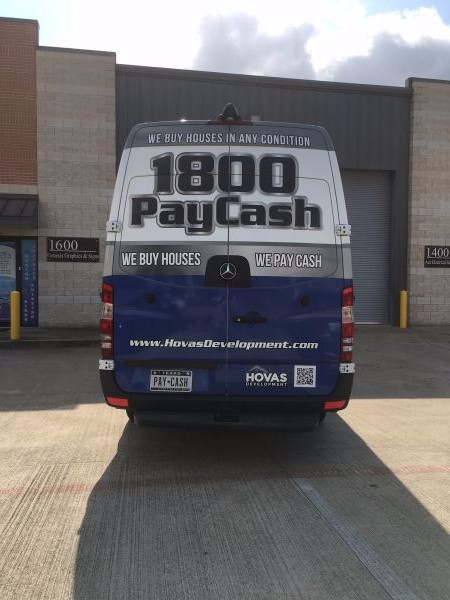
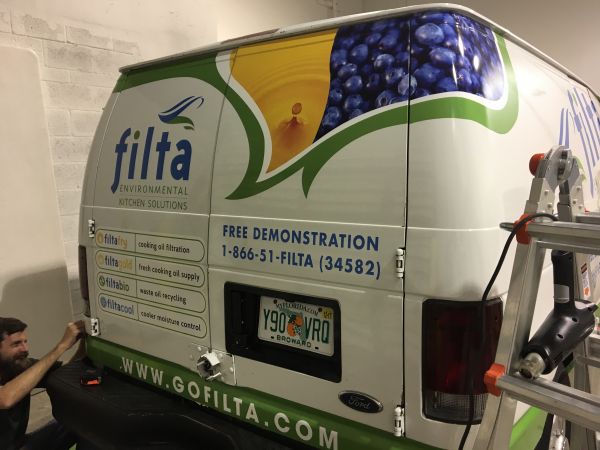
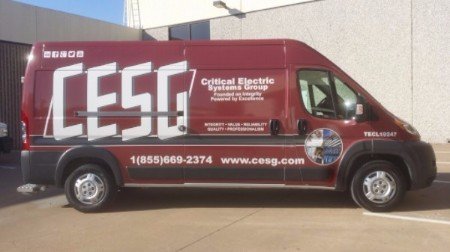
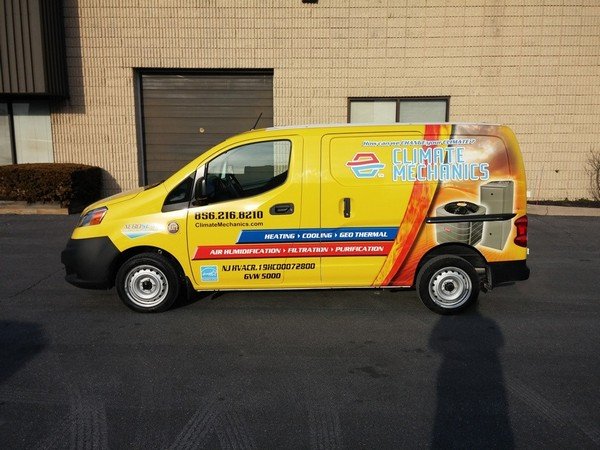
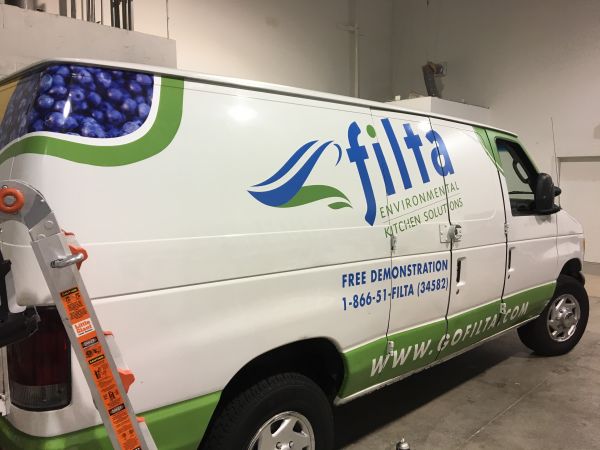
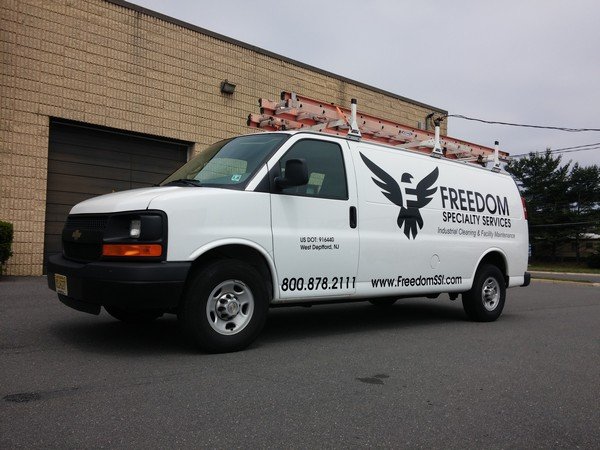
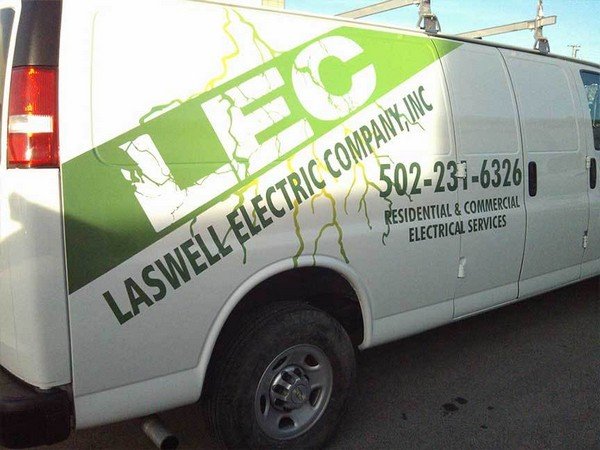
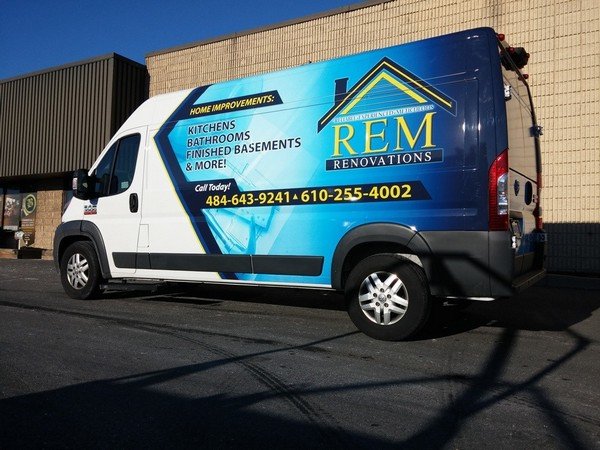
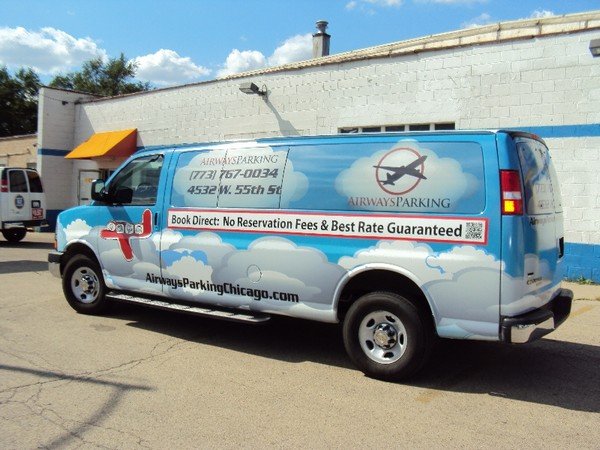
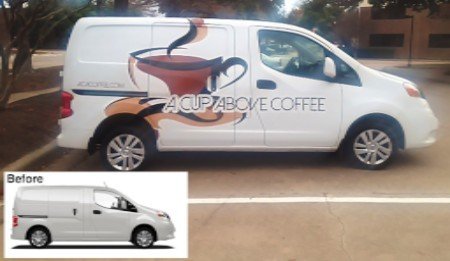
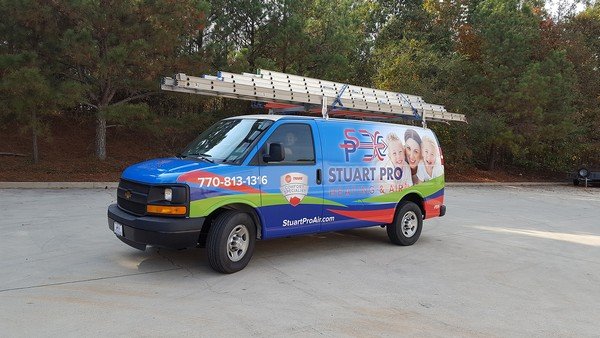
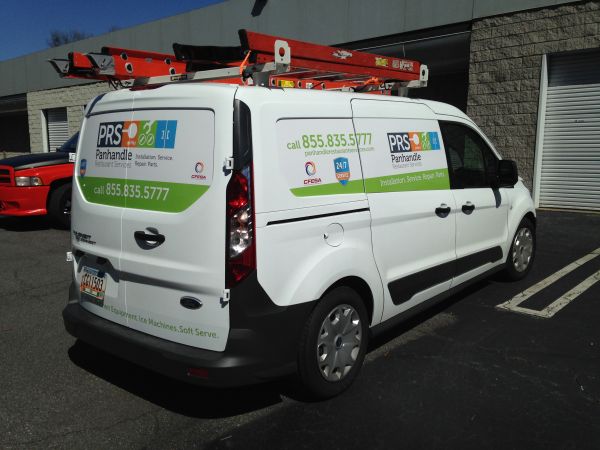
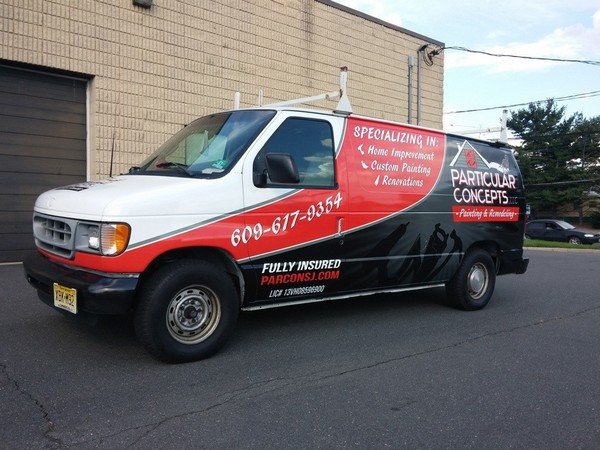
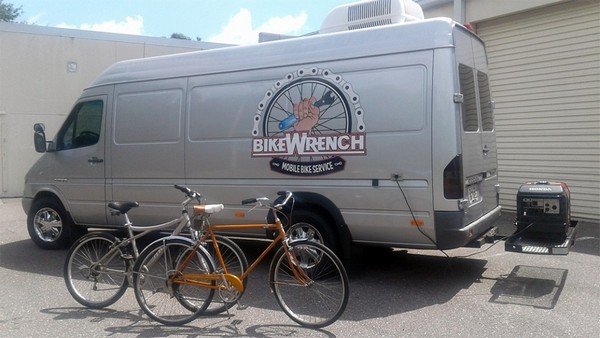
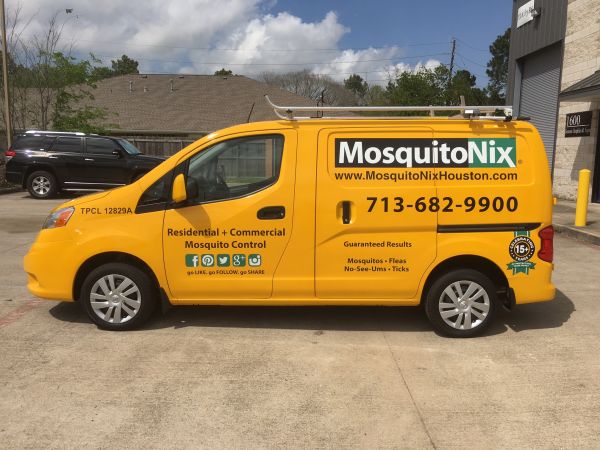
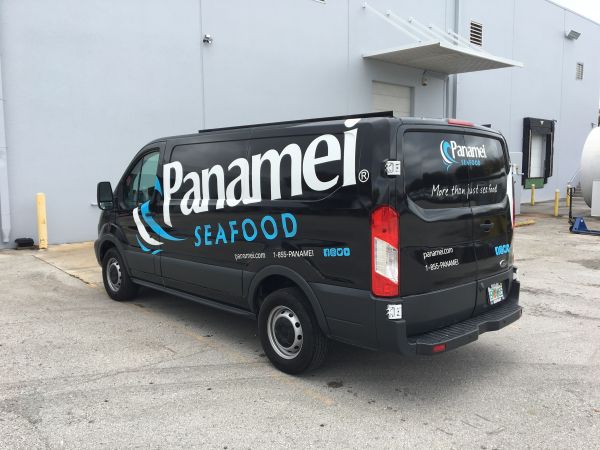
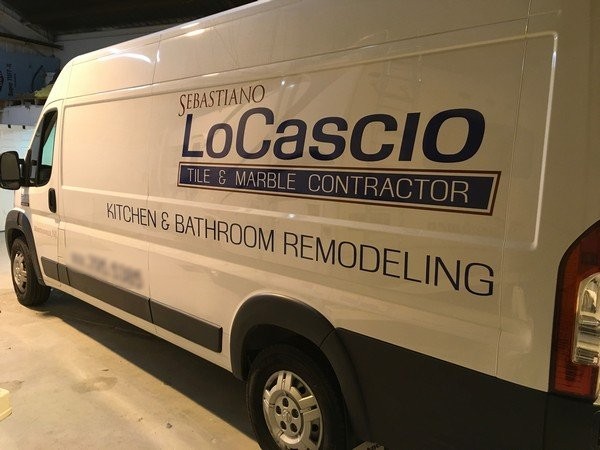
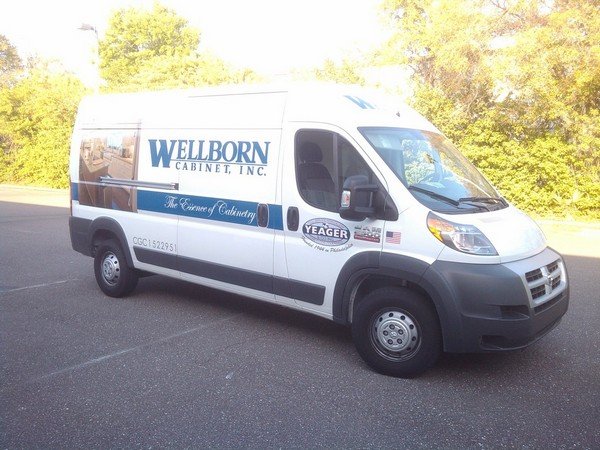
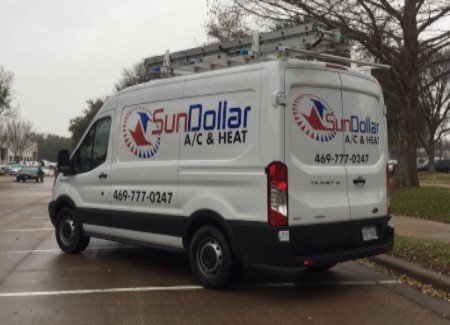
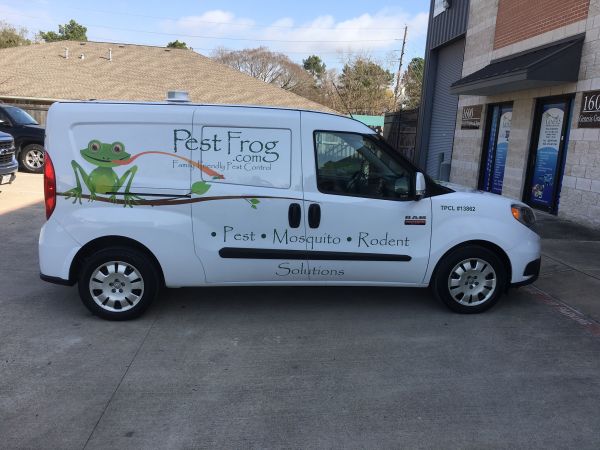
- Tradesmen can transform an unsightly white van into a shining ad with a van wrap.
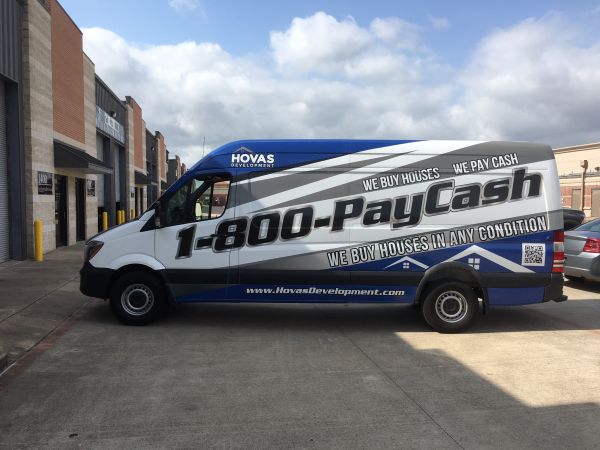
- Estate agents making house calls can spread their brand with a few simple auto decals.
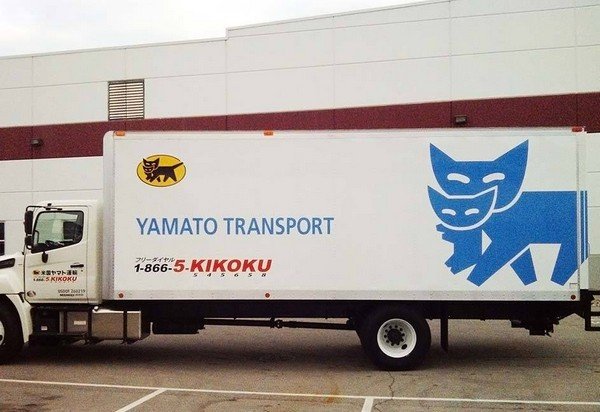
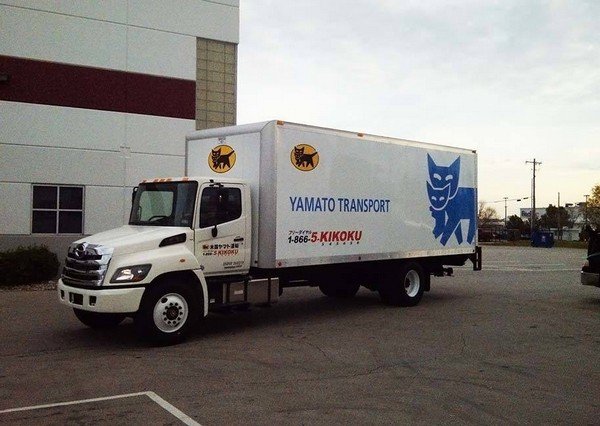
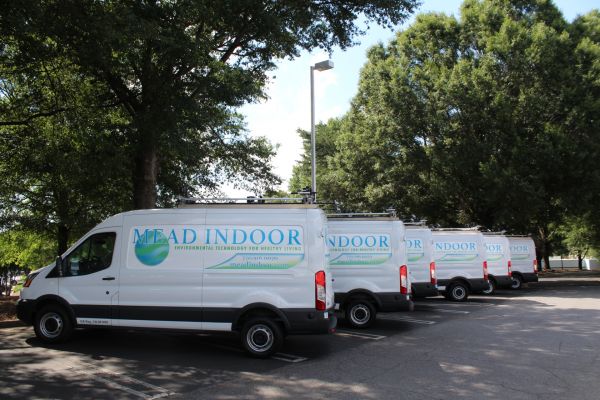
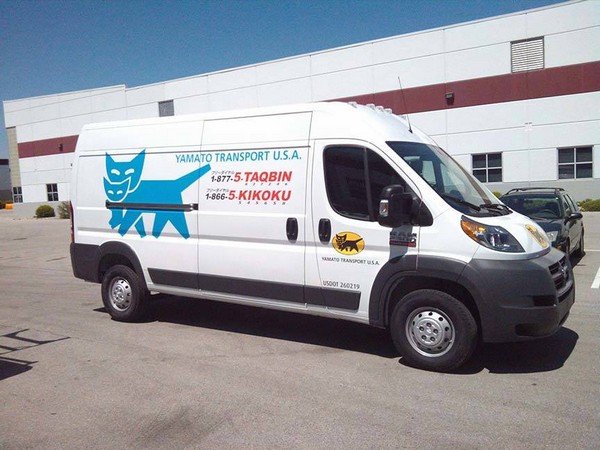
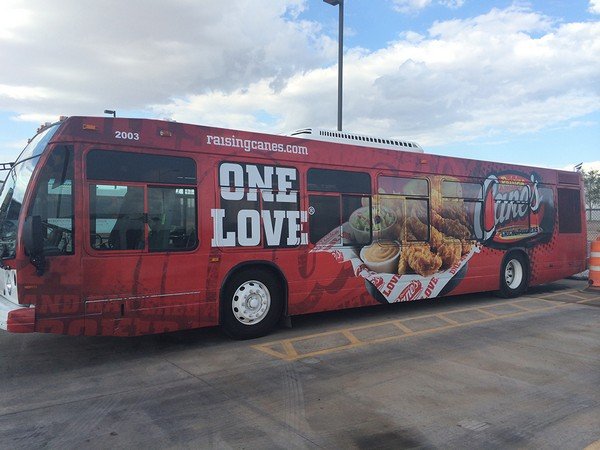
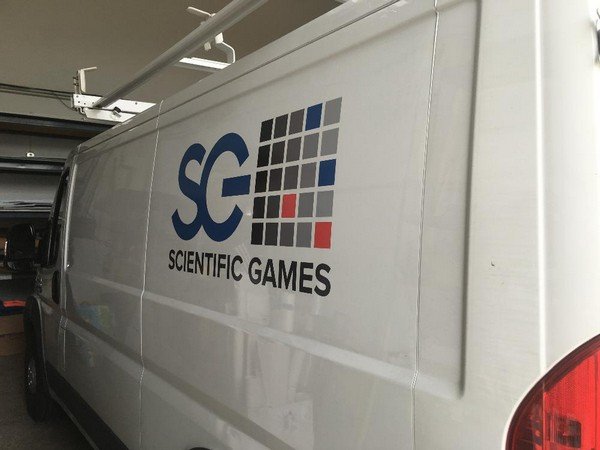
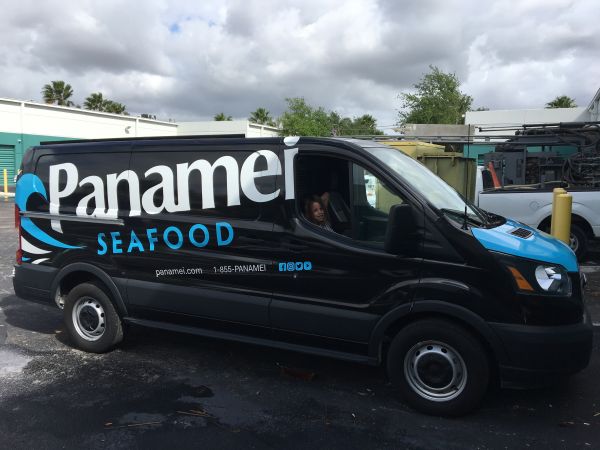
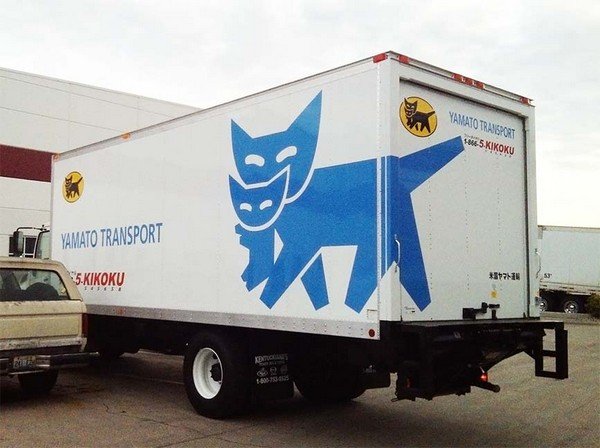
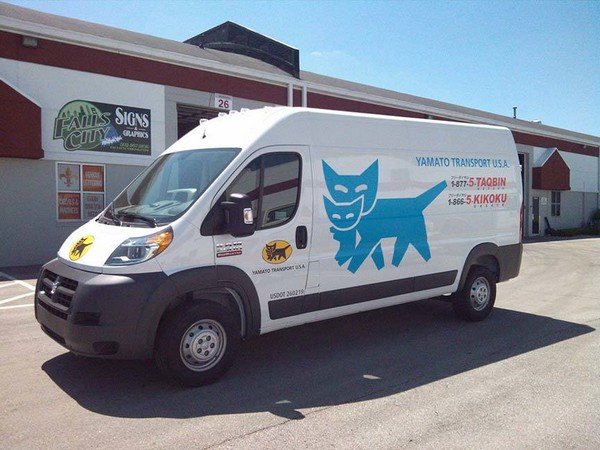
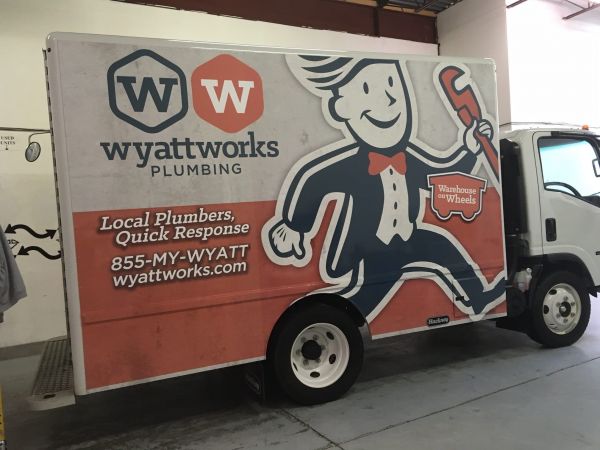
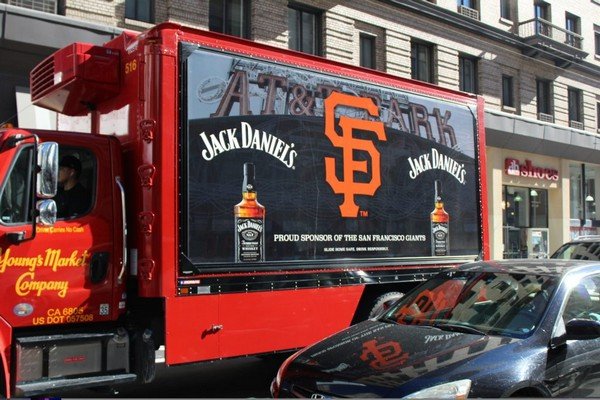
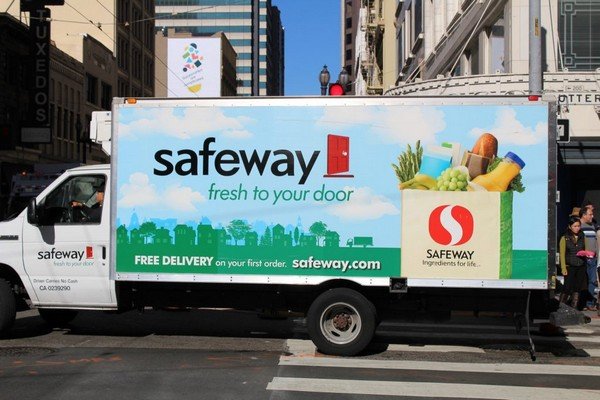
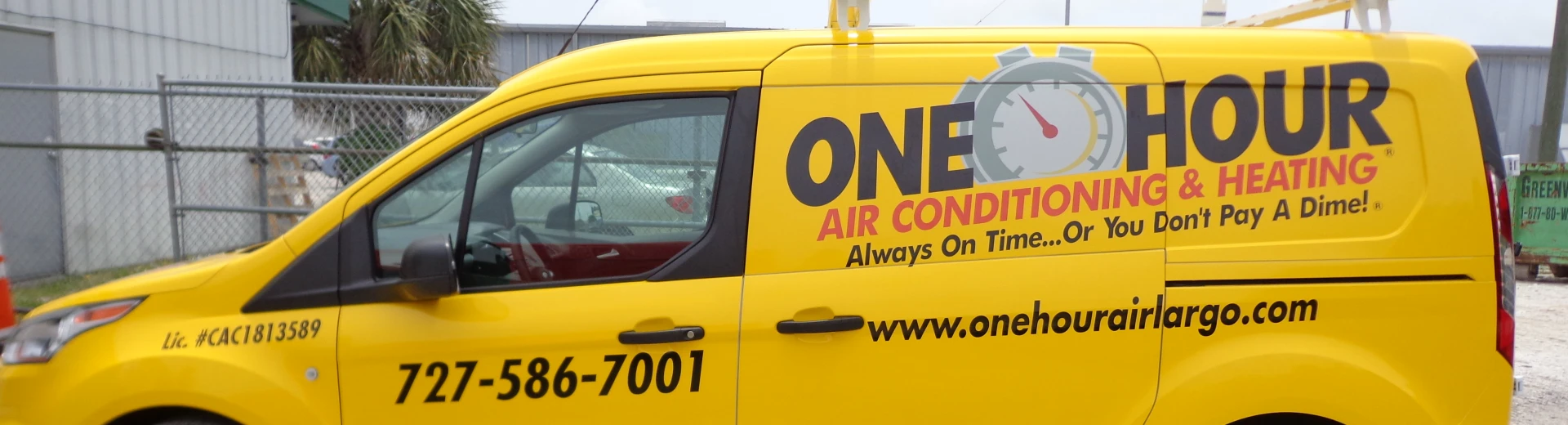
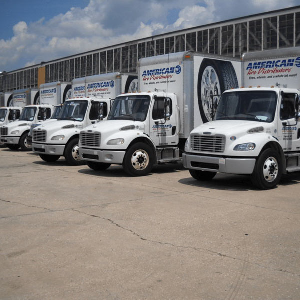
- Delivery services look professional and trustworthy with fleet vehicle wraps.
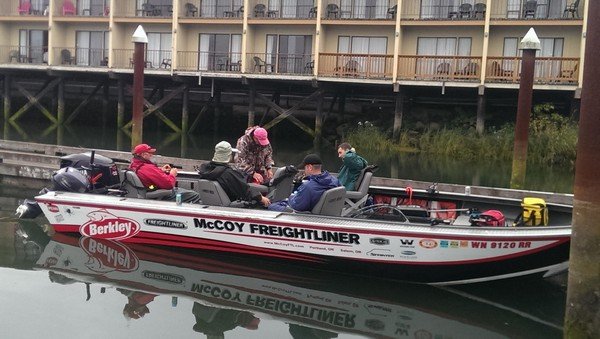
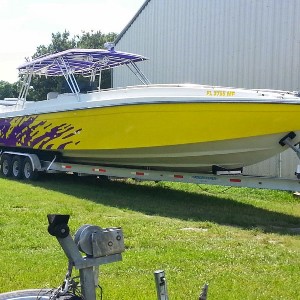
- Boat tour operators can improve their visibility with boat graphics
Call Pittsburgh Sign Company at 412-365-4699 today for your Free Consultation with a Vehicle Wrap Specialist!
Attractive Wraps for Your Entire Fleet
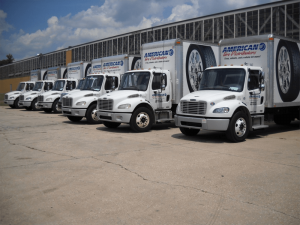
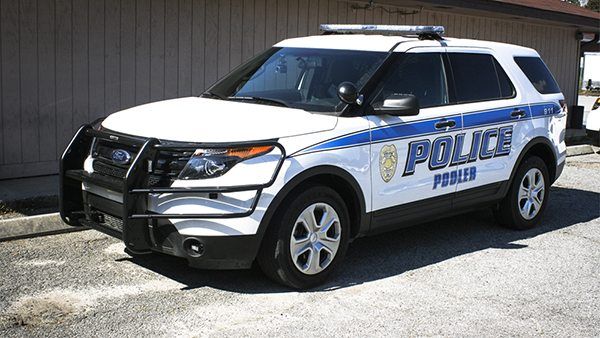
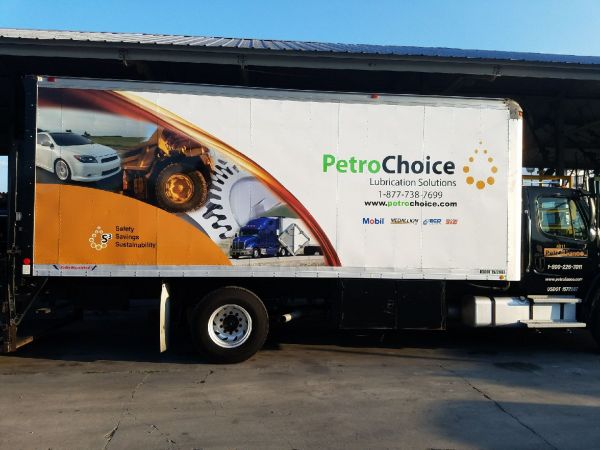
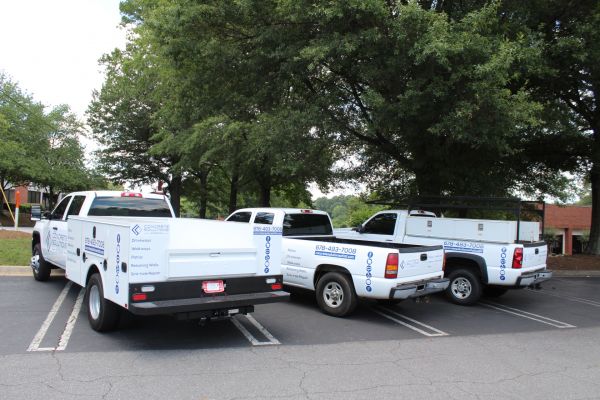
In addition to creating a fantastic mobile advertisement for your Pittsburgh, PA business, vinyl vehicle wraps offer much more. Businesses looking to expand gain a lot by simply investing in fleet graphics. They also look consistent and appear far more professional than companies using a mismatched fleet. This is a great first impression for new clients.
Those house-call businesses can put clients’ minds at rest with vehicle decals. Customers can see who you are, creating an excellent initial impression. They may be more reluctant to let you into their home without a vehicle wrap design. Trust goes hand in hand with a strong business relationship.
So, let your customers know you mean business, and invest in vehicle vinyl graphics for your entire fleet.
Your Designs, Perfected
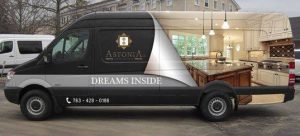
Here at Pittsburgh Sign Company, we aim for perfection at every turn. Our mission is to take your ideas and turn them into reality. If you know exactly what type of vehicle wrap design you want, we’re happy to implement it. We may suggest a few alterations to help promote your brand, but ultimately, the final design is your choice.
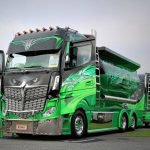
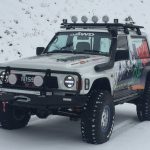
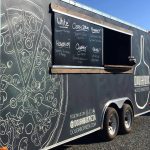
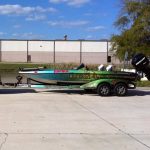
No idea what you want? No worries! Our expert team of wrap designers will be happy to come up with a few ideas for you to ponder. From trailer graphics to ad wraps for cars, they’ll sketch out their plans based on what we know about you. Once you’re happy, we’ll go ahead and get it made right here in Pittsburgh, PA. It’s that simple—just join us for a coffee and a free consultation.
Vinyl Graphics, Partial Wraps, & Magnets
Are you not sure if a full vehicle wrap is the solution for you? In some cases, it’s not the most appropriate method. However, there are other ways to promote your business using your vehicle.
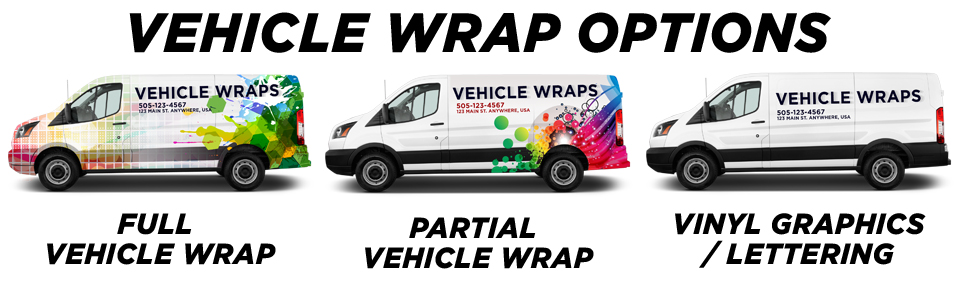
Partial wraps, auto vinyl graphics, and magnets can all be used effectively. Cost-effective and attractive, this is perhaps the solution for you.
Partial Car Wraps
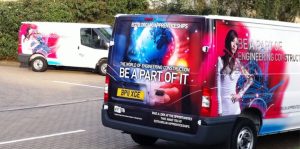
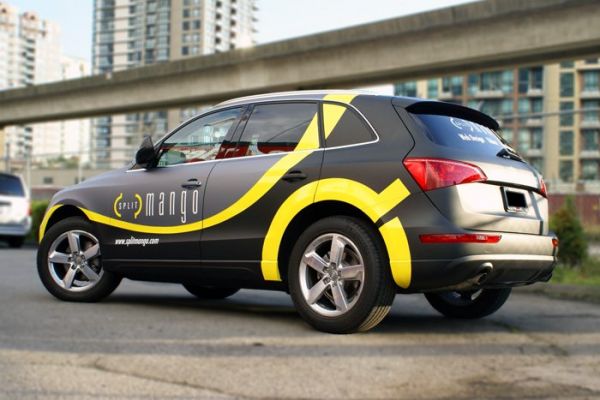
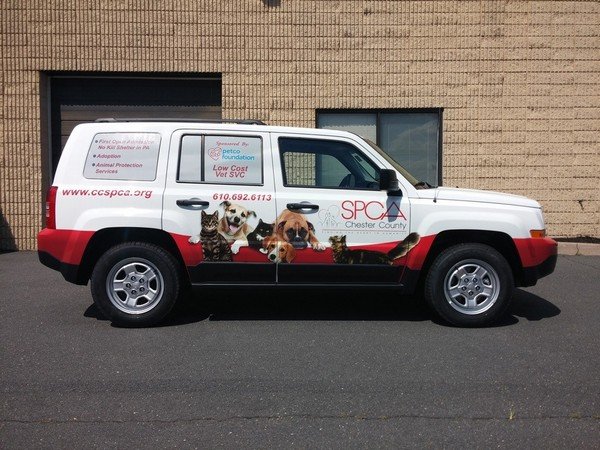
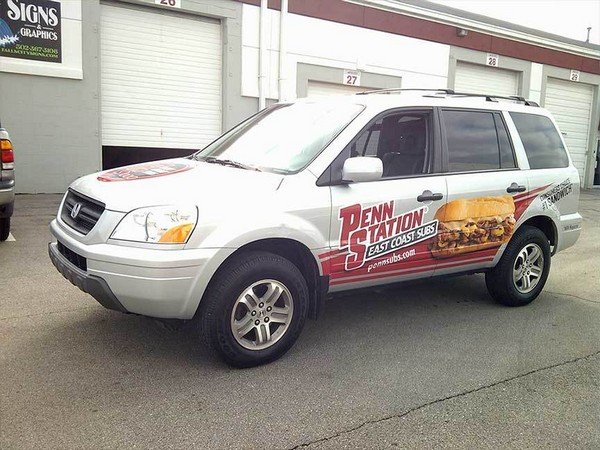
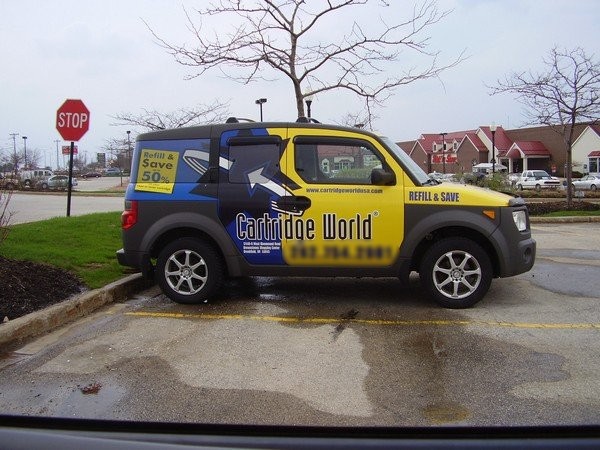
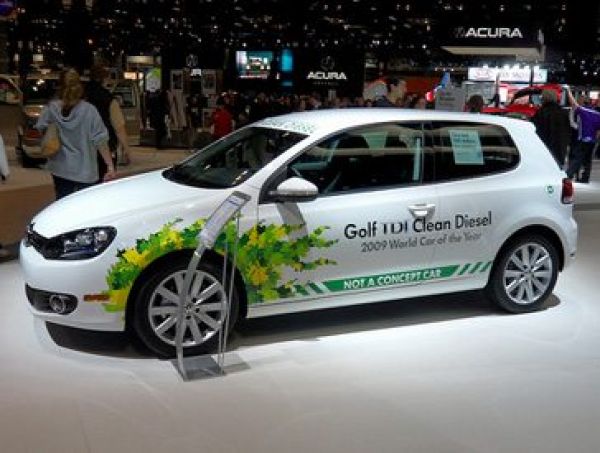
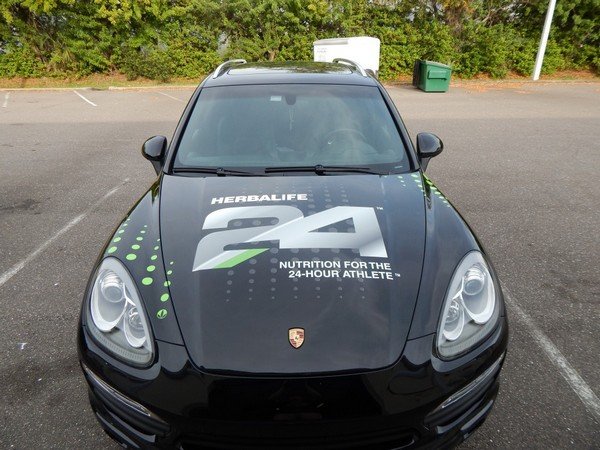
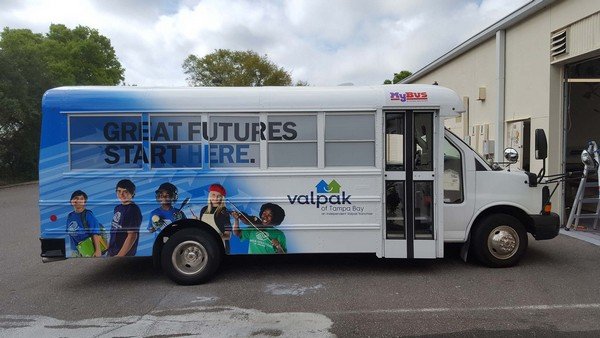
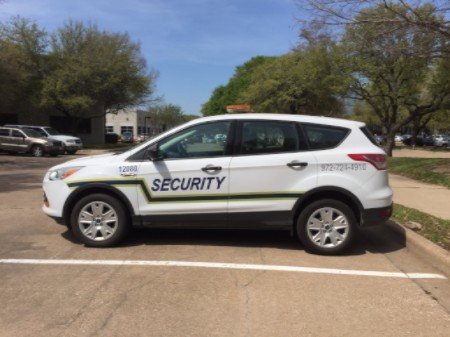
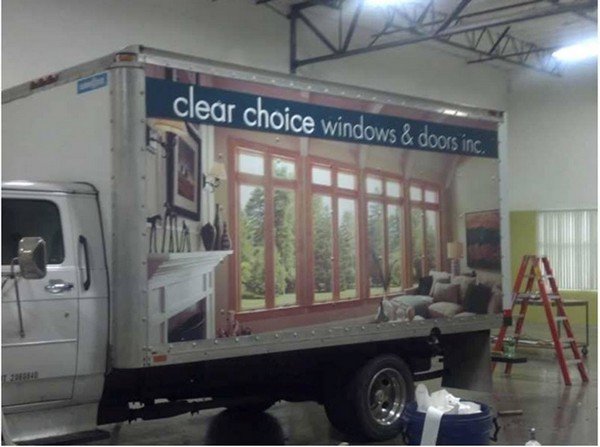
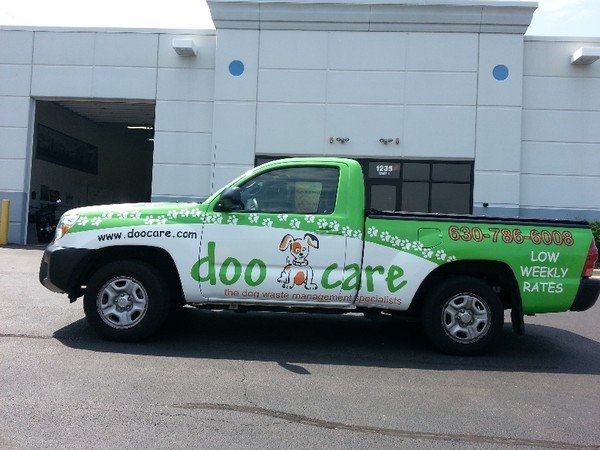
A partial business vehicle wrap is an excellent choice for various businesses. They’re ideal for sending a direct, punchy message. Typically covering about 25-75% of your vehicle, they can have specific panels or sections fitted with vinyl sheets printed with your promotional message.
Partial wraps can be applied anywhere on the surface of your vehicle. We design our wraps to work with the lines and shape of your vehicle, creating a seamless finish.
Vinyl Graphics
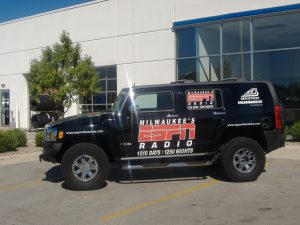
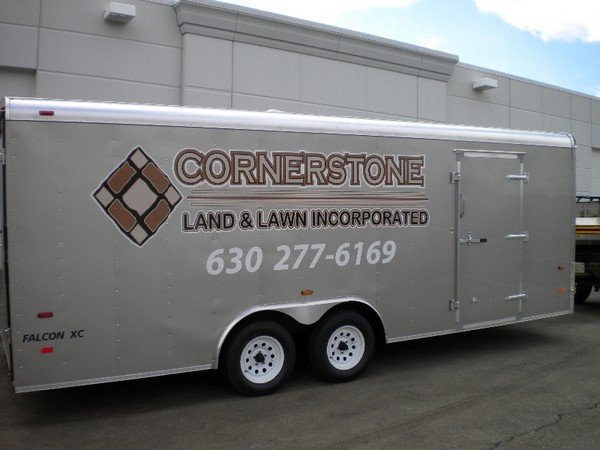
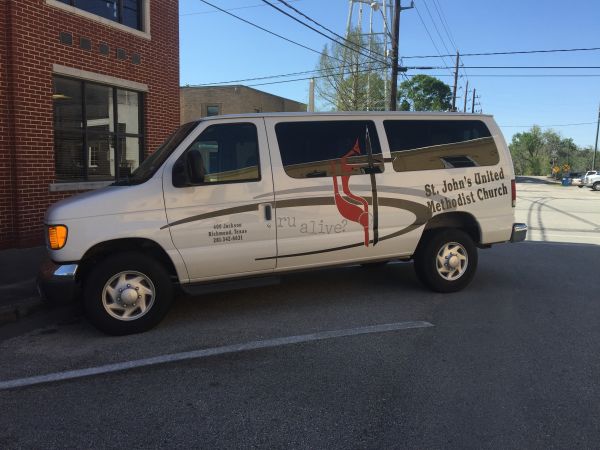
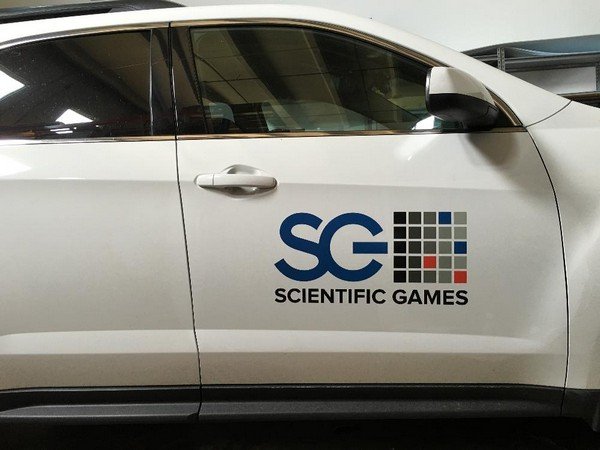
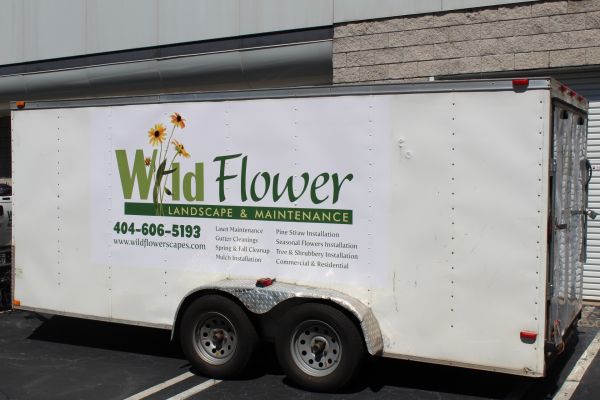
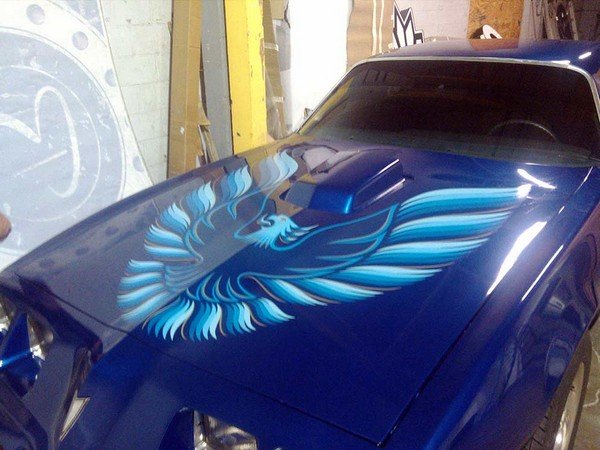
Vinyl graphics are small images or text that are cut to shape. Businesses typically use them to place their logo and basic contact information, such as their business name, logo, slogan, and key marketing message, on their vehicles.
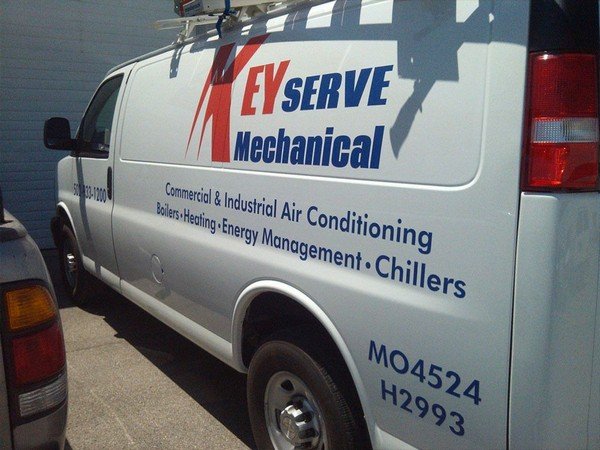
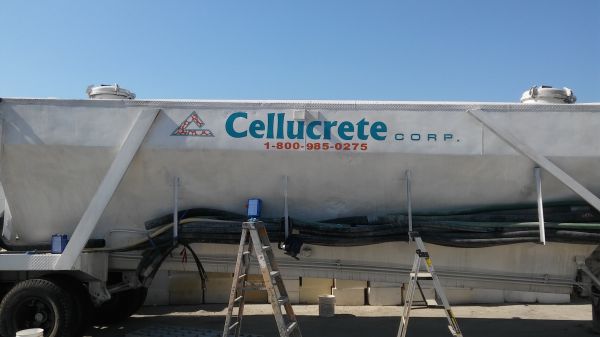
Our vinyl graphics are flexible and can be designed to fit anywhere. They are ideal for businesses that may need to add or update the information on their vehicles, such as cut vinyl lettering for DOT numbers for semi trucks.
Vehicle Magnets
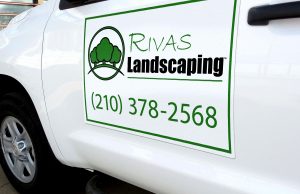
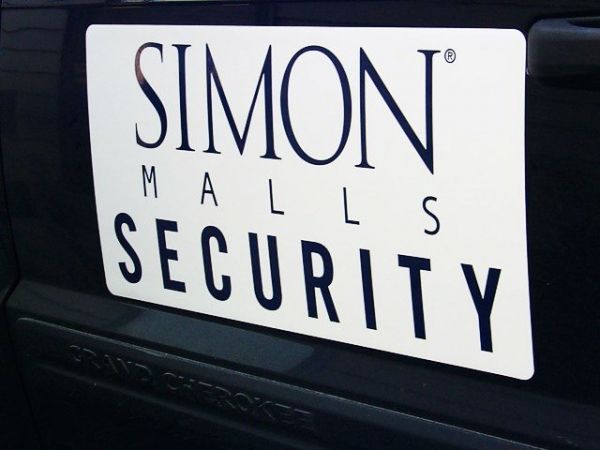
Vehicle magnets are a fantastic flexible option. Fully customizable and affordable, they can be removed and replaced when you like. These are great for contractors who may perform service for different brands, those who use their corporate vehicle for personal travel, or those who live in a signage-restricted neighborhood where wraps aren’t allowed.
Whether you change your vehicle regularly or need to get away from work now and then, magnets are the quick and easy solution.
Professionals Wrap For All Vehicle Types
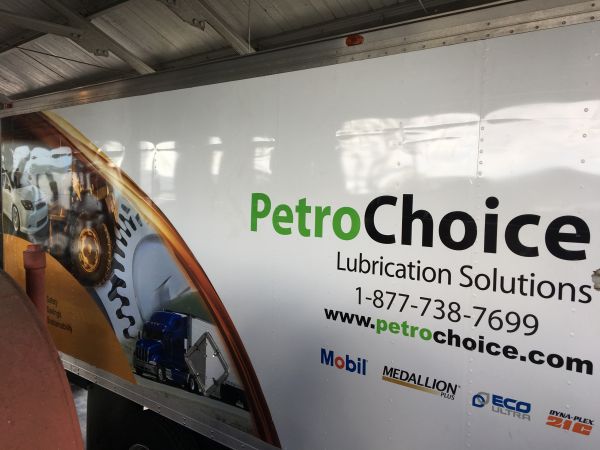
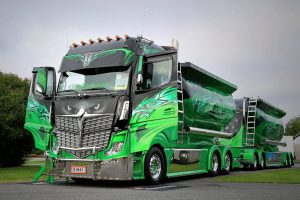 We make all our vehicle wraps and graphics to measure, enabling us to create stunning vinyl wraps for any type of vehicle.
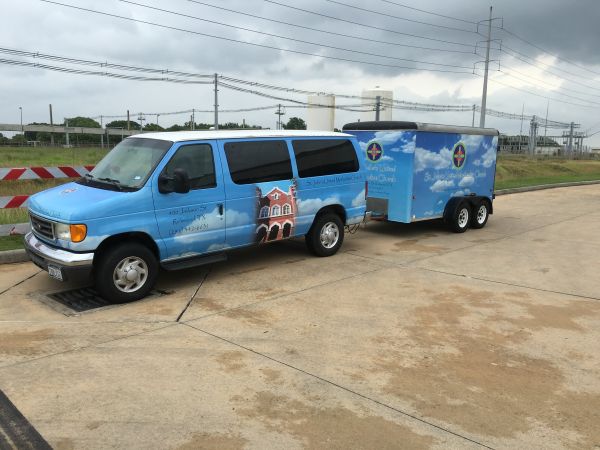
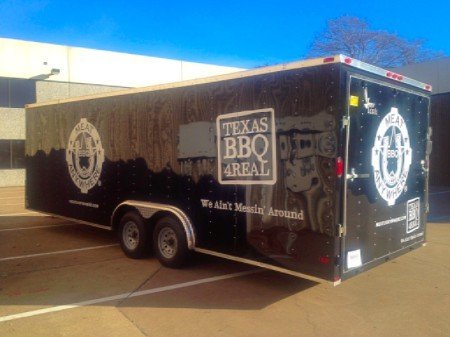
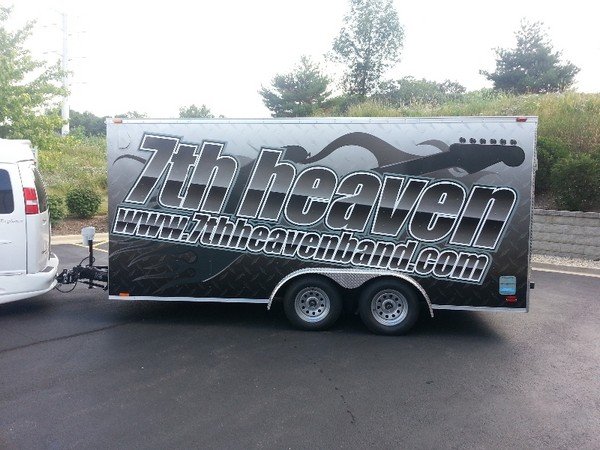
Do you need a truck wrap with a matching trailer wrap? No problems!
Our team of experts can design perfect auto wraps to match the lines and shape of any vehicle.
Our wrap services include:
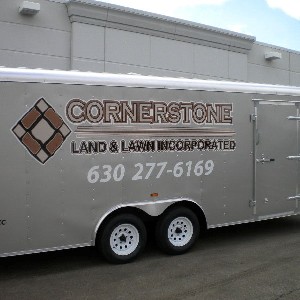
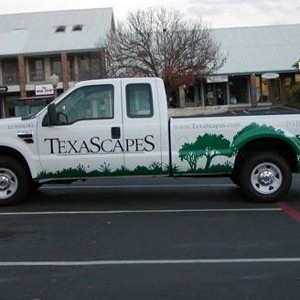
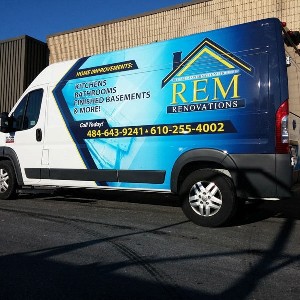
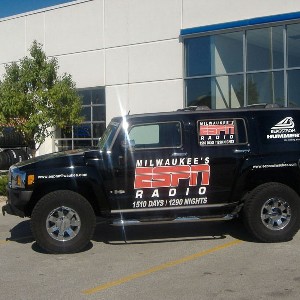
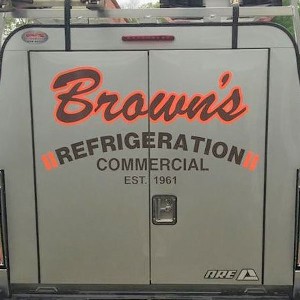
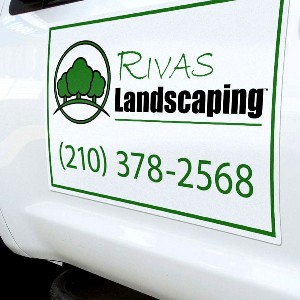
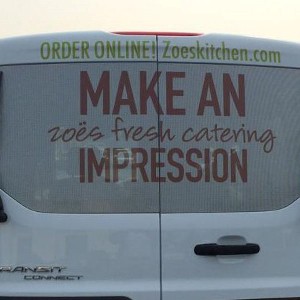
Pittsburgh Sign Company does more than create attractive vehicle wraps that increase your business visibility. We also create complete indoor and outdoor sign collections.
Promotional Car Wraps
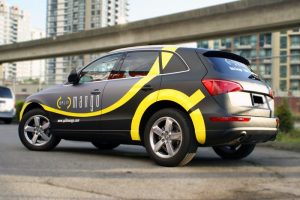
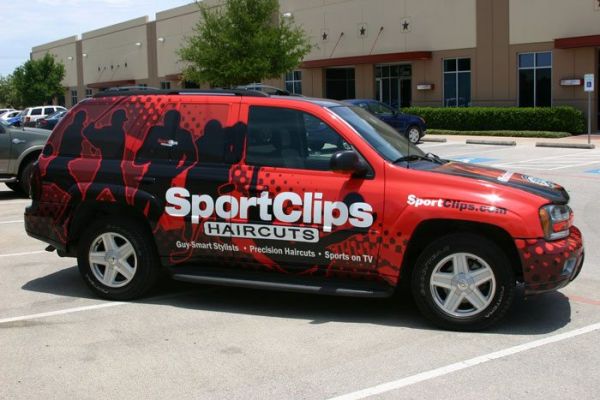
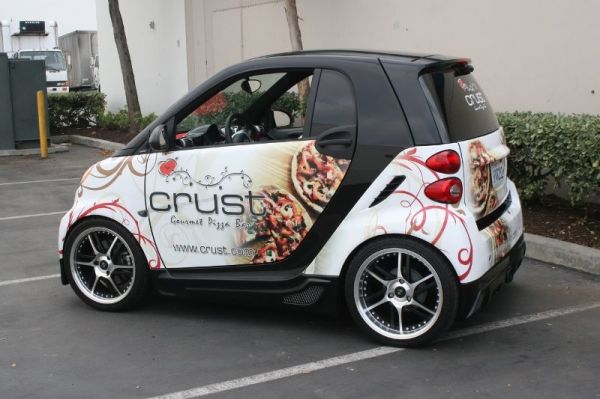
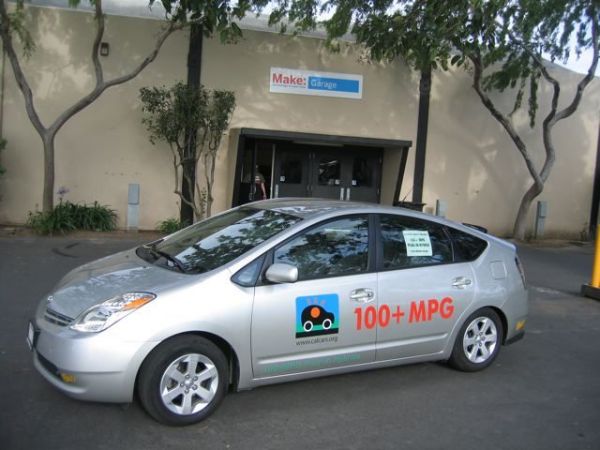
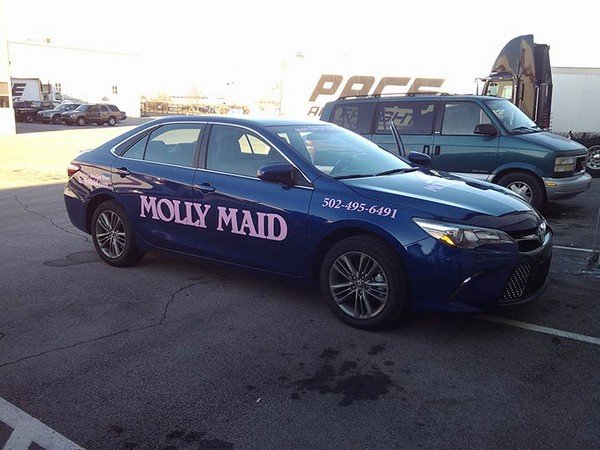
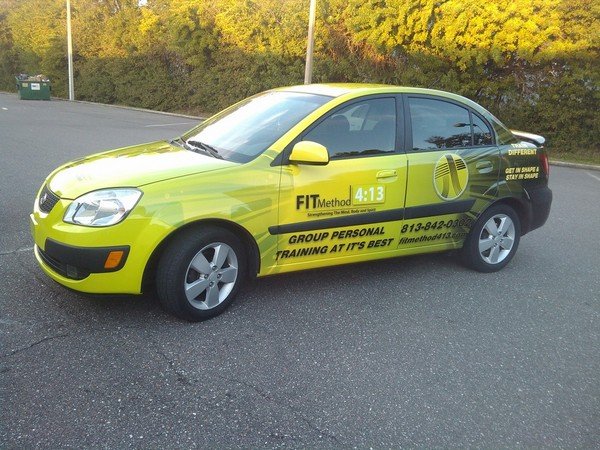
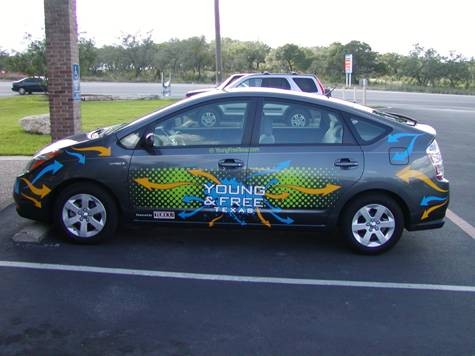
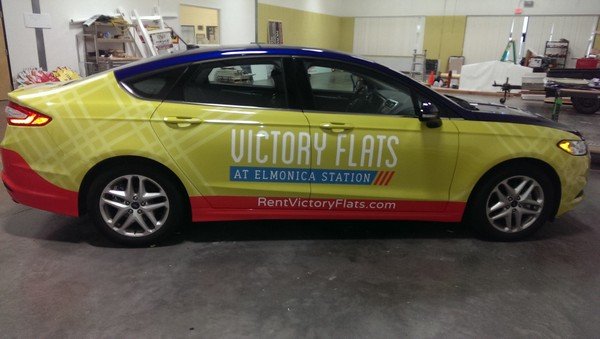
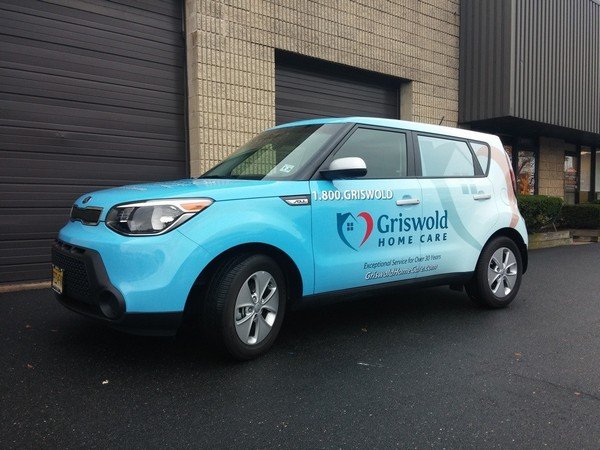
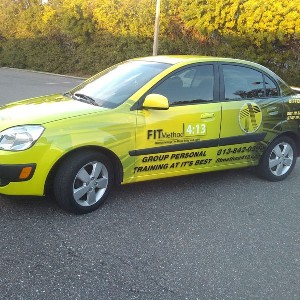
Cars come in all shapes and sizes nowadays. At Pittsburgh Sign Company, we can wrap them all in attractive, brand-pushing vinyl. Most businesses can benefit from ad wraps for cars. If you’re making house calls, it’s worth promoting yourself from repairmen to midwives. You’ll be seen as professional and trustworthy.
We can incorporate any information you wish, from contact details to slogans. Our wraps look fantastic no matter the weather and are guaranteed to stay in place. From full-on wraps and legally tinting the windows to more basic advertising, a car wrap is a fantastic solution.
Full-Service Vehicle Wrapping
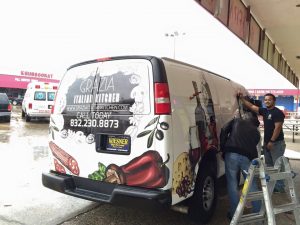
We don’t simply supply you with a generic vehicle wrap and expect you to install it yourself! Pittsburgh Sign Company is committed to providing a fantastic customer experience every time. Our full service includes design, manufacture, and installation.
First is your free consultation to discuss your business and goals. When we understand your aims and feel confident we can reflect your business, we’ll move on to step 2.
Your ideas and files will then be passed to our design team. These experts will create a digital mockup for all the required wraps and decals. We’ll then send these to you for your approval. You’re free to suggest adjustments until it’s perfect.
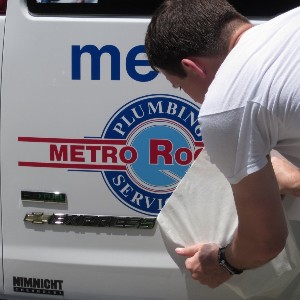
Once you’re satisfied with the wrap design, we’ll start manufacturing your wrap(s) here in our local store. Our expert fitters will apply the wrap to your vehicle upon completion, ensuring everything is aligned correctly. Perfectly smooth, with no bubbles or ripples, your vehicle is good to go!
In the future, we can assist with wrap removal and updates. Repairs, big and small, can also be worked on.
Free Vehicle Wrap Consultation
Pittsburgh Sign Company are your trustworthy partners in business promotion. We’re happy to take on all your Pittsburgh vehicle wrapping and commercial signage needs. From small car decals to entire fleet wrapping, storefront signs to break room signs, we’re with you every step of the way.
Call Pittsburgh Sign Company at 412-365-4699 today for your Free Consultation with a Vehicle Wrap Specialist!